
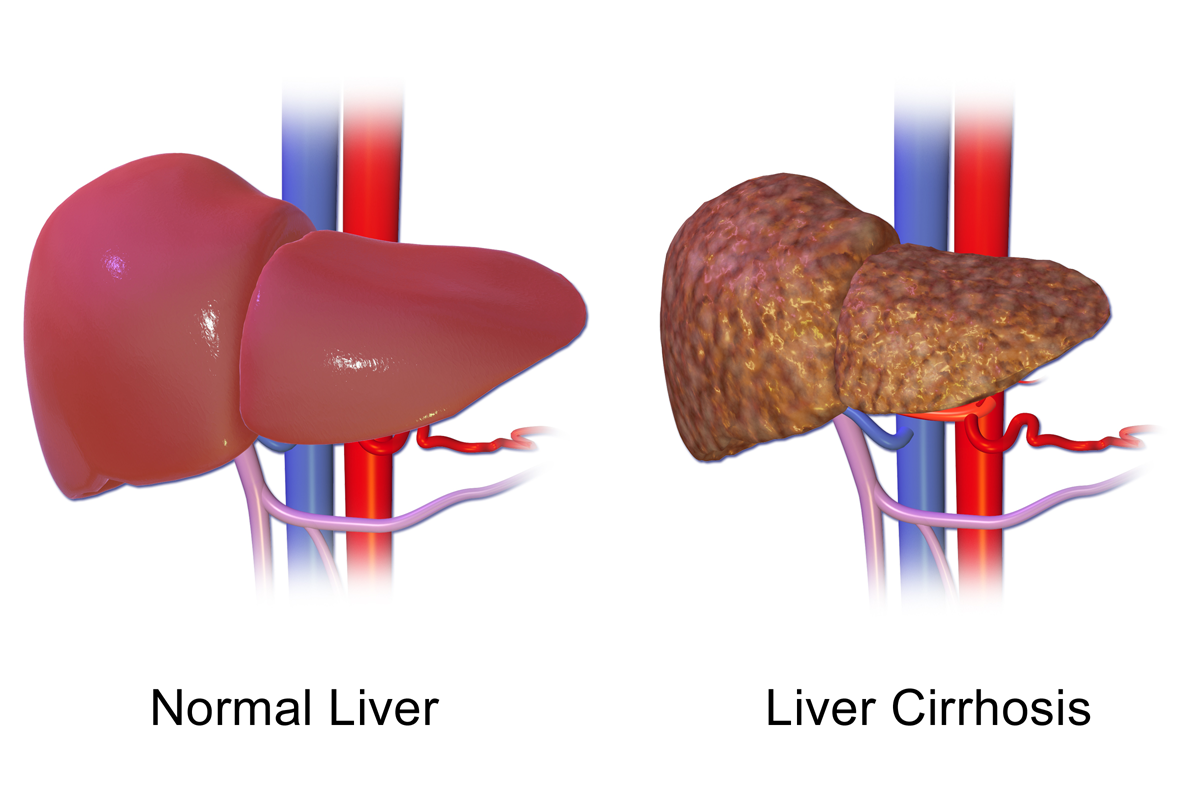
Fatty liver disease refers to a condition in which excess fat accumulates inside liver cells. In its early stages, it may cause no symptoms and only mild abnormalities in blood tests. In more advanced stages, it can lead to inflammation, fibrosis, cirrhosis, and liver cancer.
Over the past two decades, fatty liver disease has become one of the most common chronic liver conditions worldwide. At the same time, the medical terminology used to describe it has changed. Many people encounter different acronyms—NAFLD, NASH, MASLD, and MASH—and are unsure what they mean or how they relate to each other.
This article explains what fatty liver disease is, how it develops, how it is classified, and why the terminology has evolved. It focuses on clear definitions and clinical meaning rather than trends or opinion.
What is fatty liver disease in simple terms?
The liver plays a central role in metabolism. It processes nutrients, regulates blood sugar, produces bile, and helps manage fats and cholesterol. Under normal conditions, liver cells contain small amounts of fat. Fatty liver disease develops when fat builds up beyond normal levels.
Clinically, fatty liver is usually defined when more than 5% of liver cells contain fat droplets. This fat accumulation is called hepatic steatosis.
In early stages, steatosis may not damage liver cells. In some people, however, fat accumulation triggers inflammation and cellular injury. Over time, this can lead to scar tissue formation, known as fibrosis. Advanced fibrosis can progress to cirrhosis, where the normal liver structure is severely disrupted.
What do NAFLD and NASH mean?
NAFLD: Non-Alcoholic Fatty Liver Disease
NAFLD was the term widely used from the early 2000s until recently. It described fatty liver disease that occurs in people who drink little or no alcohol. The term was created to distinguish this condition from alcohol-related liver disease.
NAFLD became an umbrella term covering two main categories:
- Simple steatosis: Fat accumulation without significant inflammation or cell injury
- NASH: A more severe form involving inflammation and liver cell damage
NASH: Non-Alcoholic Steatohepatitis
NASH refers to fatty liver disease with inflammation and hepatocellular injury. On liver biopsy, doctors look for fat, inflammatory cells, and ballooning degeneration of liver cells. NASH carries a higher risk of fibrosis progression, cirrhosis, and liver cancer compared to simple steatosis.
Not everyone with NAFLD develops NASH. Disease progression depends on multiple factors, including metabolic health, genetics, and environmental influences.
Why were the terms changed to MASLD and MASH?
In recent years, experts proposed new terminology to better reflect the underlying drivers of the disease. The updated terms are:
- MASLD: Metabolic dysfunction–associated steatotic liver disease
- MASH: Metabolic dysfunction–associated steatohepatitis
The change shifts the focus from what the disease is not (non-alcoholic) to what it is associated with: metabolic dysfunction.
Metabolic dysfunction includes conditions such as:
- Overweight or obesity
- Type 2 diabetes
- Insulin resistance
- High blood pressure
- Abnormal cholesterol or triglyceride levels
Under the new framework:
- MASLD replaces most cases previously called NAFLD
- MASH replaces what was previously called NASH
Many research papers and clinical reports still use NAFLD and NASH, so both sets of terms remain relevant. Understanding the equivalence helps readers interpret older and newer literature.
How does fatty liver disease develop?
Fatty liver disease is strongly linked to metabolic health. The central mechanism involves insulin resistance.
When the body becomes resistant to insulin, fat breakdown in adipose tissue increases. This releases more free fatty acids into the bloodstream. The liver absorbs these fatty acids and converts excess carbohydrates into fat through de novo lipogenesis. When fat production and uptake exceed the liver’s ability to export or oxidize it, fat accumulates.
In some individuals, fat accumulation remains relatively stable. In others, several additional processes occur:
- Oxidative stress damages liver cells
- Inflammatory pathways are activated
- Fibrogenic cells (hepatic stellate cells) produce scar tissue
This progression from steatosis to inflammation and fibrosis does not happen at the same rate in everyone. Genetics, diet, physical activity, gut microbiota, and coexisting conditions influence the course.
What are the stages of disease progression?
Clinicians often describe fatty liver progression in terms of fibrosis stage rather than just fat content. Fibrosis refers to the buildup of scar tissue in response to chronic injury.
Fibrosis is typically staged from F0 to F4:
- F0: No fibrosis
- F1: Mild fibrosis
- F2: Moderate fibrosis
- F3: Advanced fibrosis
- F4: Cirrhosis
The risk of liver-related complications increases significantly at stages F3 and F4. Research consistently shows that fibrosis stage is one of the strongest predictors of long-term outcomes.
How is fatty liver disease diagnosed?
Diagnosis usually begins with routine blood tests showing mildly elevated liver enzymes such as ALT or AST. However, normal liver enzymes do not rule out fatty liver disease.
Common diagnostic tools include:
- Ultrasound: Can detect moderate to severe fat accumulation
- Transient elastography (FibroScan): Estimates liver stiffness and fat content
- MRI-based techniques: Provide more precise fat quantification in research settings
- Liver biopsy: Considered the reference method for diagnosing NASH/MASH and staging fibrosis
In clinical practice, non-invasive tests are often used first. Biopsy is reserved for cases where diagnosis is uncertain or when precise staging is necessary.
Who is at highest risk?
Fatty liver disease is closely associated with metabolic syndrome. Higher risk groups include:
- People with type 2 diabetes
- Individuals with obesity or central adiposity
- Those with high triglycerides or low HDL cholesterol
- People with hypertension
However, fatty liver can also occur in individuals with normal body weight. This is sometimes referred to as “lean NAFLD” or lean MASLD. In such cases, genetic factors and visceral fat distribution may play a larger role.
Why does fatty liver disease matter?
Early-stage fatty liver may remain stable for years. However, a subset of individuals progress to advanced fibrosis or cirrhosis. Cirrhosis can lead to liver failure and hepatocellular carcinoma.
Beyond liver-related outcomes, fatty liver disease is strongly linked to cardiovascular disease. Many patients with MASLD are more likely to experience heart-related complications than liver failure. This reflects the shared metabolic pathways underlying both conditions.
Is fatty liver disease reversible?
Research indicates that early-stage steatosis and even mild fibrosis can improve when metabolic risk factors are addressed. Weight reduction, improved insulin sensitivity, and better metabolic control are associated with histological improvement in many patients.
Advanced fibrosis and cirrhosis are more difficult to reverse. At later stages, management focuses on slowing progression and monitoring for complications.
Because progression varies widely, risk assessment and monitoring are central to clinical care. Fibrosis stage remains a key determinant of prognosis.
Why understanding terminology matters
Confusion around NAFLD, NASH, MASLD, and MASH can make it difficult to interpret medical reports or research articles. Knowing that MASLD largely replaces NAFLD, and MASH replaces NASH, helps readers follow current literature.
The shift in terminology also highlights an important point: fatty liver disease is fundamentally linked to metabolic health. It is not defined only by the absence of alcohol use, but by the presence of metabolic dysfunction.
Where research is focused today
Current research continues to examine:
- Non-invasive biomarkers for fibrosis detection
- Genetic risk variants
- The role of inflammation and immune signaling
- Pharmacological therapies targeting fibrosis and metabolic pathways
- Long-term outcomes in large patient cohorts
As terminology evolves and new treatments are tested, clear explanation remains essential for understanding how evidence translates into clinical practice.
Fatty liver disease represents a spectrum rather than a single condition. From simple steatosis to advanced fibrosis, its progression reflects complex interactions between metabolism, inflammation, and tissue repair. Understanding the terminology and staging framework provides a foundation for interpreting both medical reports and ongoing research.